


Digital Quotes Versus Site Surveys: Which First?
A dripping tap, a damaged roof tile or a tired office reception rarely arrives with time to spare. You want a price, a reliable professional and a clear next step without spending days arranging appointments. That is where digital quotes versus site surveys becomes a practical decision: should you send photos and details for a quick estimate, or ask a professional to inspect the job before they price it?
Both routes can save hassle when used at the right time. A digital quote can get a straightforward job moving quickly. A site survey can prevent surprises on work where access, measurements, hidden damage or safety rules affect the cost. The best choice is not about picking one method every time. It is about matching the quote process to the risk and complexity of the work.
Digital quotes versus site surveys: the key difference
A digital quote is prepared from information you provide remotely. This usually includes photos, video, dimensions, a description of the issue and perhaps a short video call. It is useful when the work is visible, contained and easy to describe. A cleaner may quote from the size of a property and the required frequency, while a locksmith can often price a standard lock replacement after seeing clear photographs.
A site survey involves a professional visiting the property to inspect the work in person. They can measure accurately, test systems, assess access and spot conditions that are not obvious in images. For larger or technical projects, the survey is often the basis for a firm quotation and a realistic schedule.
The difference matters because an estimate is not always a fixed price. A remote figure may be a useful starting point, but it can change if the professional finds extra work on arrival. Ask plainly whether you are receiving an estimate, a fixed quote or a price range, and what assumptions sit behind it.
When a digital quote is the faster, smarter route
Digital quotes work well when there are few unknowns. They are particularly useful for routine, repeatable and visible tasks, such as standard cleaning, gutter clearing, small decorating jobs, garden maintenance, rubbish removal or replacing a like-for-like fitting.
Speed is the obvious benefit. You can send the same clear brief to suitable local professionals, compare replies and shortlist options without coordinating several visits. This is helpful for busy households, landlords managing several properties and business operators who need a quick answer before approving minor works.
Remote quoting can also reduce unnecessary call-out time. If a professional can see that a job is outside their scope, they can say so early. If the work is suitable, they can arrive with a better idea of the tools, materials and time required. That can mean fewer delays and less disruption at the property.
A strong digital request gives the professional enough detail to judge the work properly. Include well-lit photographs from close up and further away, measurements where relevant, the property type, access details and any deadline. For repairs, say when the problem began, whether it is getting worse and what has already been tried.
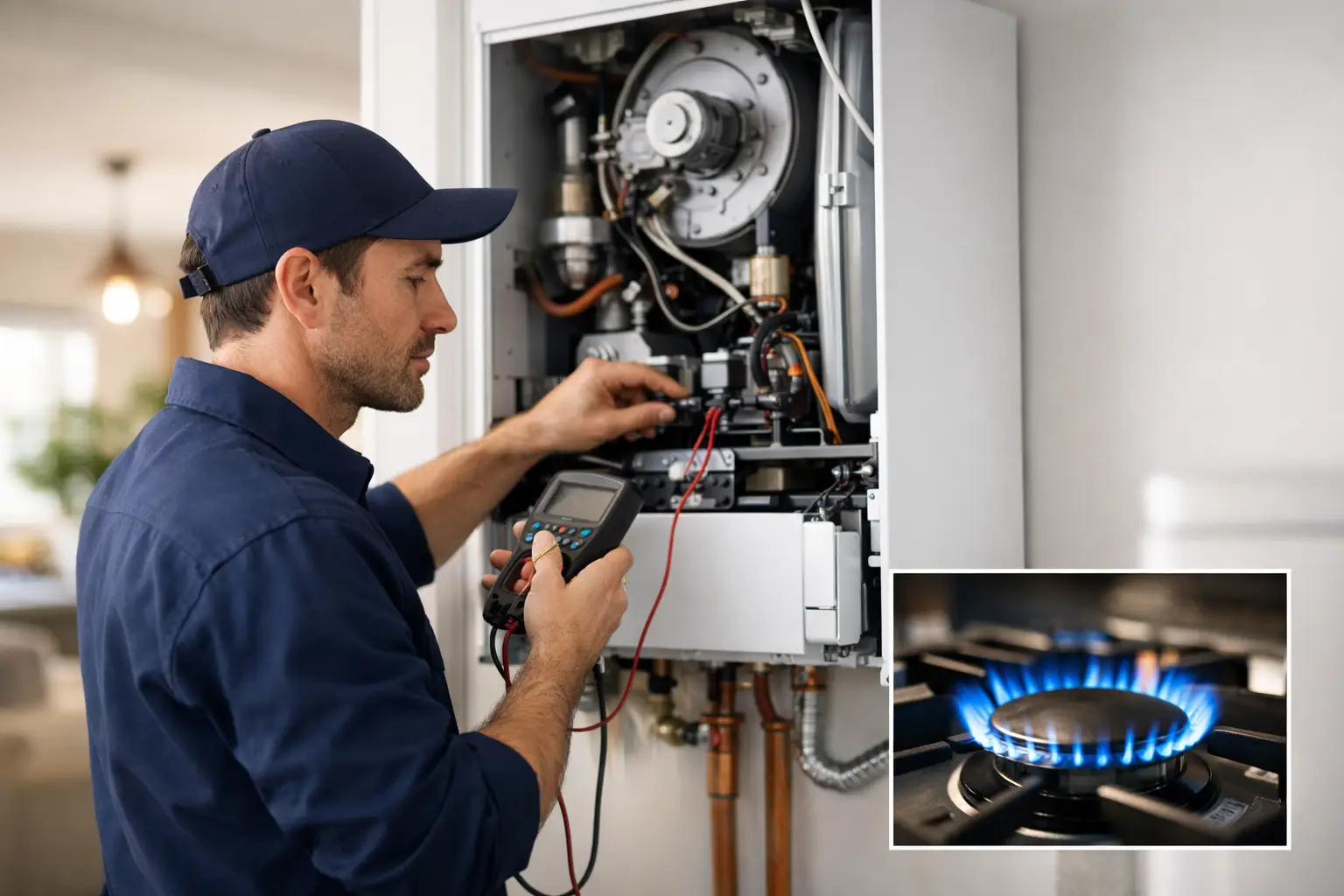
Video is especially valuable for issues that are hard to explain. A short clip showing a boiler error message, a noisy extractor fan or the route to an external gate may answer questions that a single photograph cannot. Do not, however, assume that good photos remove every uncertainty. They show what is visible, not what sits behind a wall, under a floor or above a ceiling.
When a site survey is worth the appointment
A site survey is usually the sensible option where the work is high-value, structural, technical or dependent on precise measurements. Think roof repairs, extensions, damp treatment, electrical upgrades, replacement windows, fitted kitchens, flooring across multiple rooms, drainage problems, landscaping and commercial maintenance projects.
These jobs can look simple from a photo and become more complicated once a professional checks the site. A roofing issue may involve damaged timbers rather than a slipped tile. A planned air conditioning installation may be limited by power supply, drainage routes or where an outdoor unit can be placed. A survey lets the professional assess these details before presenting a price.
Access is another reason to arrange a visit. Narrow staircases, limited parking, listed-building restrictions, working-hour rules and occupied premises all affect labour, equipment and programme. For a business, an on-site discussion may also clarify how work can be completed with minimal impact on staff, customers or trading hours.
A proper survey should make the final proposal more useful, not merely slower. The professional should be able to explain the scope of work, material options, expected timescale, exclusions and anything that could alter the price. If planning permission, building regulations or specialist testing may be needed, it is better to identify that before work begins.
The trade-off: convenience against certainty
Digital quoting wins on convenience. It reduces the time spent waiting for visits and can quickly establish whether your budget is realistic. Site surveys win on certainty. They take more coordination upfront, but they can protect you from vague scopes, rushed decisions and unexpected variations later.
For small jobs, the cost of a survey may not make sense. If you need a single internal door rehung or a standard end-of-tenancy clean, detailed photos and clear measurements can be enough. For a major project, saving one appointment is rarely worth accepting a price based on guesswork.
There is also a middle ground. Many professionals offer an initial digital estimate, followed by a site survey before issuing a final fixed quote. This approach is often ideal for projects that appear straightforward but carry some uncertainty. It gives you an early budget figure without pretending that every detail is known.
How to compare quotes fairly
The lowest number is not automatically the best value. Whether quotes are digital or survey-based, compare what each professional has actually included. One price may cover labour only, while another includes materials, waste removal, travel, testing and making good after the work.
For any meaningful project, ask for the scope in writing. It should state the specific work, materials or product standard, estimated start date, duration, payment schedule and warranty or guarantee terms where applicable. If VAT applies, check whether it is included in the total rather than assuming it has been added.
Be cautious when a remote price is dramatically lower than every other response. It may reflect a genuine efficiency advantage, but it can also mean that assumptions have been left out. Ask what would cause the amount to change. A professional who explains potential variables clearly is often easier to work with than one who promises an unrealistically precise figure from limited information.
For site-survey quotes, make sure each professional is pricing the same brief. Small differences in insulation specification, paint quality, drainage depth or finish level can create big price gaps. Give every provider the same requirements, then ask questions about any differences you do not understand.
Getting a better result from either method
The quality of the quote often depends on the quality of the information supplied. Before requesting prices, decide what outcome you need rather than only describing the fault. For example, do you need a quick repair to stop a leak, or a longer-term replacement that reduces future maintenance? Are you looking for the lowest upfront cost, the fastest completion or a particular finish?
It also helps to be direct about practical limits. Mention your budget range if you have one, the days someone can provide access, parking constraints, pets, tenants, security procedures and any previous work that may affect the job. These details are not minor. They help local professionals give a price that is closer to reality.
For larger work, do not rush into approval during the survey. Take time to read the written quote, check that it reflects what was discussed and make sure changes are agreed in writing. If a professional finds additional work once a job has started, ask for the reason, cost and effect on the schedule before authorising it, except where immediate safety work is necessary.
Choose the process that fits the project
Use a digital quote to move quickly on clear, low-risk work. Use a site survey when the condition, scale or access could materially change the cost. If you are unsure, start with photos and a detailed description, then let the professional advise whether an inspection is needed before they commit to a final price.
Finding the right local help should not mean chasing endless calls or guessing which price is credible. A service such as 78+ Services can help you describe the job once, compare suitable professionals and move from an initial response to a confident decision faster. The right quote process is the one that gives you enough speed to act and enough clarity to spend wisely.


Leave a Reply