


Best Services for Rental Properties to Book First
A rental can go from profitable to problematic in a single weekend: a boiler fails, a tenant reports a leak, or a move-out clean reveals damage that needs attention before the next viewing. The best services for rental properties are the ones that prevent small issues becoming expensive vacancies, while helping landlords and property managers respond quickly when something does go wrong.
For a single flat, a reliable shortlist of local professionals can save hours of chasing quotes. For a growing portfolio, it can protect your reputation with tenants and keep turnaround times under control. The goal is not to hire every service at once. It is to know which jobs need qualified help, which can be scheduled in advance, and where fast action pays for itself.
Best Services for Rental Properties That Protect Your Income
A well-managed property needs more than occasional repairs. It needs a practical service plan that covers safety, condition, presentation and tenant comfort. The priorities change depending on the age of the building, the type of tenancy and whether the property is furnished, but a few service categories matter to almost every landlord.
Qualified gas, electrical and heating support
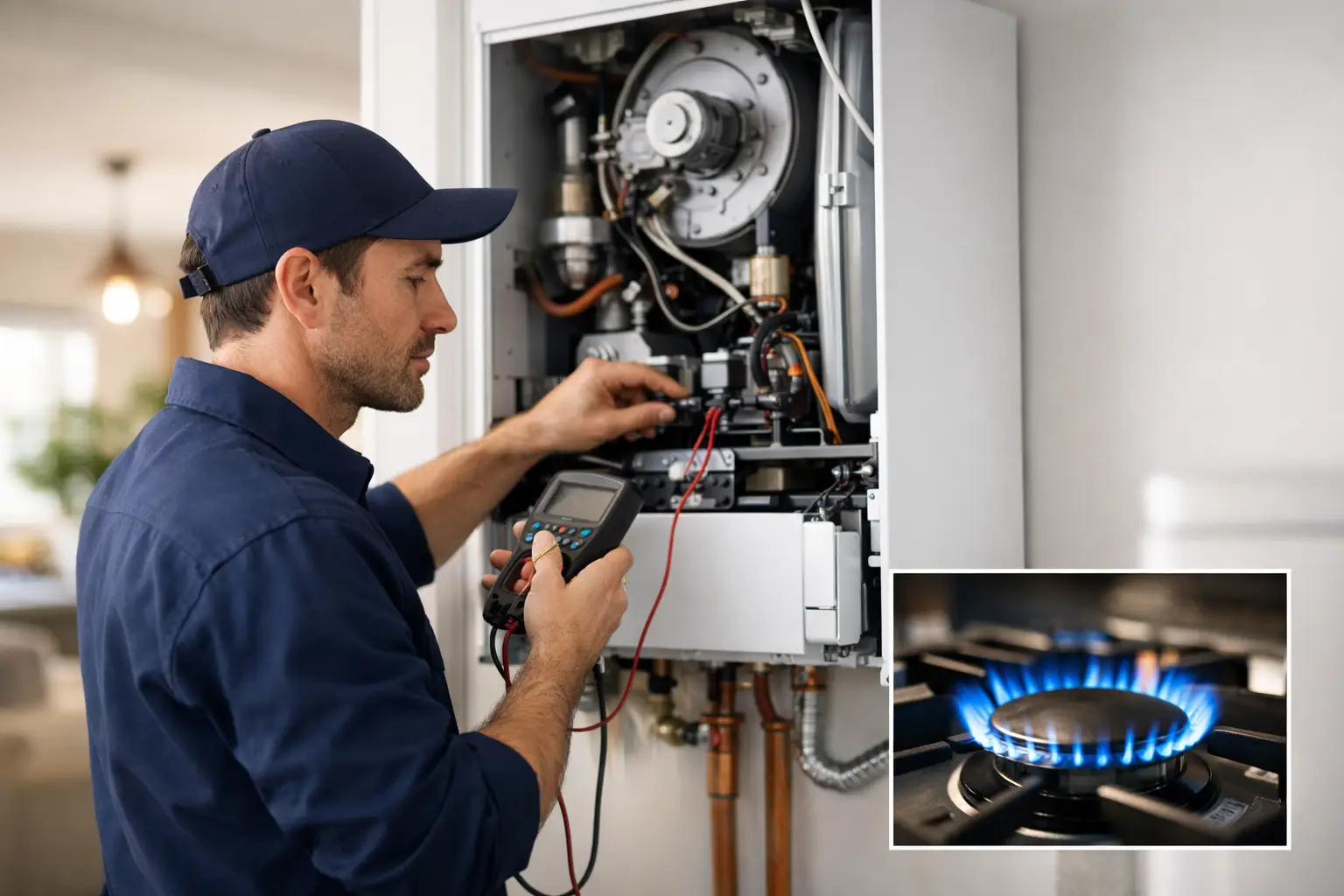
Heating and hot water issues rarely wait for a convenient time. A dependable heating engineer is one of the most valuable contacts a landlord can have, particularly during colder months. Annual boiler servicing can spot worn parts, pressure problems and efficiency issues before a no-heat call becomes an urgent repair.
Gas and electrical work should always be handled by properly qualified professionals. Landlords also need to meet applicable safety requirements, including gas safety checks and electrical inspection obligations. Rules can differ across England, Scotland, Wales and Northern Ireland, so check the requirements for your location rather than relying on an old checklist.
The lowest quote is not always the best value here. Look for clear scope, prompt communication, proof of relevant qualifications and a report you can keep with your property records. A contractor who can explain the issue in plain language makes future decisions easier too.
Plumbing and drainage repairs
Dripping taps may be minor, but hidden leaks, slow drains and failed stop valves can cause serious damage. Plumbing support is essential for protecting kitchens, bathrooms, flooring and neighbouring properties in blocks of flats.
A good plumber can handle planned maintenance as well as urgent call-outs. Ask them to inspect common trouble spots during a scheduled visit, such as silicone seals, toilet fittings, shower screens, radiator valves and pipework beneath sinks. Preventive work may feel less urgent than a repair, but it can avoid an insurance claim and an unhappy tenant later.
For properties with repeated drainage issues, do not keep paying for temporary fixes. Drain clearance, a camera survey or advice on the underlying cause may be the more cost-effective route.
Cleaning and end-of-tenancy preparation
A clean property rents faster, photographs better and starts a new tenancy on the right footing. Regular communal-area cleaning is particularly useful for shared houses and multi-unit buildings, while professional end-of-tenancy cleaning helps create a consistent handover standard.
Cleaning is most effective when it is paired with a condition check. A cleaner may notice mould, damaged grout, stains, broken fixtures or pest signs that were missed at the viewing stage. Treat this information as useful maintenance intelligence, not just a cleaning note.
For furnished rentals, consider periodic upholstery and carpet cleaning. It can extend the life of high-use items and make the property feel properly cared for without the cost of replacing everything prematurely.
Handyman, decorating and minor repairs
Small defects have a big effect on how tenants judge a home. Loose handles, chipped paint, sticking doors and damaged sealant can make an otherwise sound rental look neglected. A skilled handyman or maintenance professional is often the most efficient choice for these lower-complexity tasks.
Decorating also deserves a planned budget. Refreshing high-wear areas between tenancies can reduce void time and help justify the asking rent, especially in competitive local markets. Neutral, durable finishes are usually easier to maintain than highly personalised choices.
Be clear about where handyman work ends. Structural repairs, major electrical work, gas appliances and certain plumbing tasks need the right specialist. Using the correct professional protects the property and reduces the risk of poor workmanship creating another repair bill.
Services That Improve Tenant Experience
Tenants do not expect perfection, but they do expect concerns to be taken seriously. Fast, organised service is often what separates a manageable tenancy from a dispute or early departure.
Pest control is a good example. A report of rodents, insects or bed bugs needs prompt assessment, clear communication and treatment appropriate to the cause. Delays can make the problem harder to solve and can affect neighbouring homes. Similarly, damp and mould concerns should be investigated rather than simply painted over. Ventilation, insulation, leaks, heating patterns and building defects may all be relevant.
Garden maintenance can also be worthwhile where outdoor space is included in the tenancy. An overgrown garden can create complaints, obscure security risks and make a vacant property look unloved. For landlords who remain responsible for the space, scheduled seasonal visits are often easier to budget for than a major clearance after months of neglect.
Security services may be appropriate for empty periods, shared buildings or properties in areas with elevated risk. This could include locksmith work after a tenancy ends, replacement locks, lighting repairs, alarm servicing or fitting suitable security measures. The right option depends on the property and local conditions, so avoid paying for features that do not solve a real risk.
How to Choose the Right Local Professionals
The best provider is not necessarily the largest company or the cheapest advert. It is the professional who can complete the specific job safely, communicate clearly and give you confidence that the work will last.
Start by describing the job accurately. Include the property type, the issue, access restrictions, any deadlines and whether tenants are in residence. A vague request produces vague quotes. A clear brief makes it easier to compare scope, availability and cost.
When comparing providers, focus on four practical checks:
- Relevant qualifications, insurance and experience for the work required.
- A written quote that states labour, materials, exclusions and any call-out charge.
- Realistic availability, especially for urgent repairs and tenant-facing jobs.
- Clear communication about arrival times, access, findings and follow-up work.
For repeat needs, consistency matters more than chasing a different bargain every time. Keeping records of reliable tradespeople, invoices, certificates and previous repairs helps you spot patterns and makes future call-outs quicker. A service discovery platform such as 78+ Services can also reduce the time spent searching across separate categories when you need local help for more than one property task.
Plan Maintenance Around the Tenancy Cycle
The most efficient landlords do not wait for every problem to be reported. They use natural points in the tenancy cycle to inspect, maintain and improve the property.
Before a new tenant moves in, arrange a thorough clean, check alarms and heating, test appliances where applicable, inspect locks, look for leaks and deal with visible defects. This is also the best time for decorating, flooring work and larger repairs, since access is simpler and there is less disruption.
During a tenancy, schedule legally required checks and keep a simple log of reported issues. A courteous message before a contractor visit, a confirmed appointment window and a follow-up once work is complete go a long way. Tenants are more likely to report problems early when they trust that someone will respond.
At move-out, use the inspection to separate fair wear and tear from damage, then prioritise work that protects the next let. Not every mark requires immediate replacement, but water damage, safety issues, failed appliances and deep cleaning should not be left for later. A quick, well-organised turnaround limits void days and keeps the property ready for viewings.
Spend Where Delay Costs More
Budget control does not mean choosing the cheapest option for every job. It means understanding the cost of delay. A boiler repair, water leak or insecure entry point may require same-day action because the alternative is property damage, tenant disruption or a longer vacancy. Cosmetic improvements can sometimes wait until the next planned turnaround.
Keep a contingency fund for urgent work and review recurring costs at least once a year. If you are repeatedly paying for the same repair, ask whether a replacement, upgrade or specialist inspection would cost less over time. This approach turns maintenance from a stream of surprises into a more predictable part of running a rental.
A dependable network of local professionals gives you more than a list of names. It gives you the confidence to act quickly, keep tenants informed and protect the condition of every property you manage.


Leave a Reply